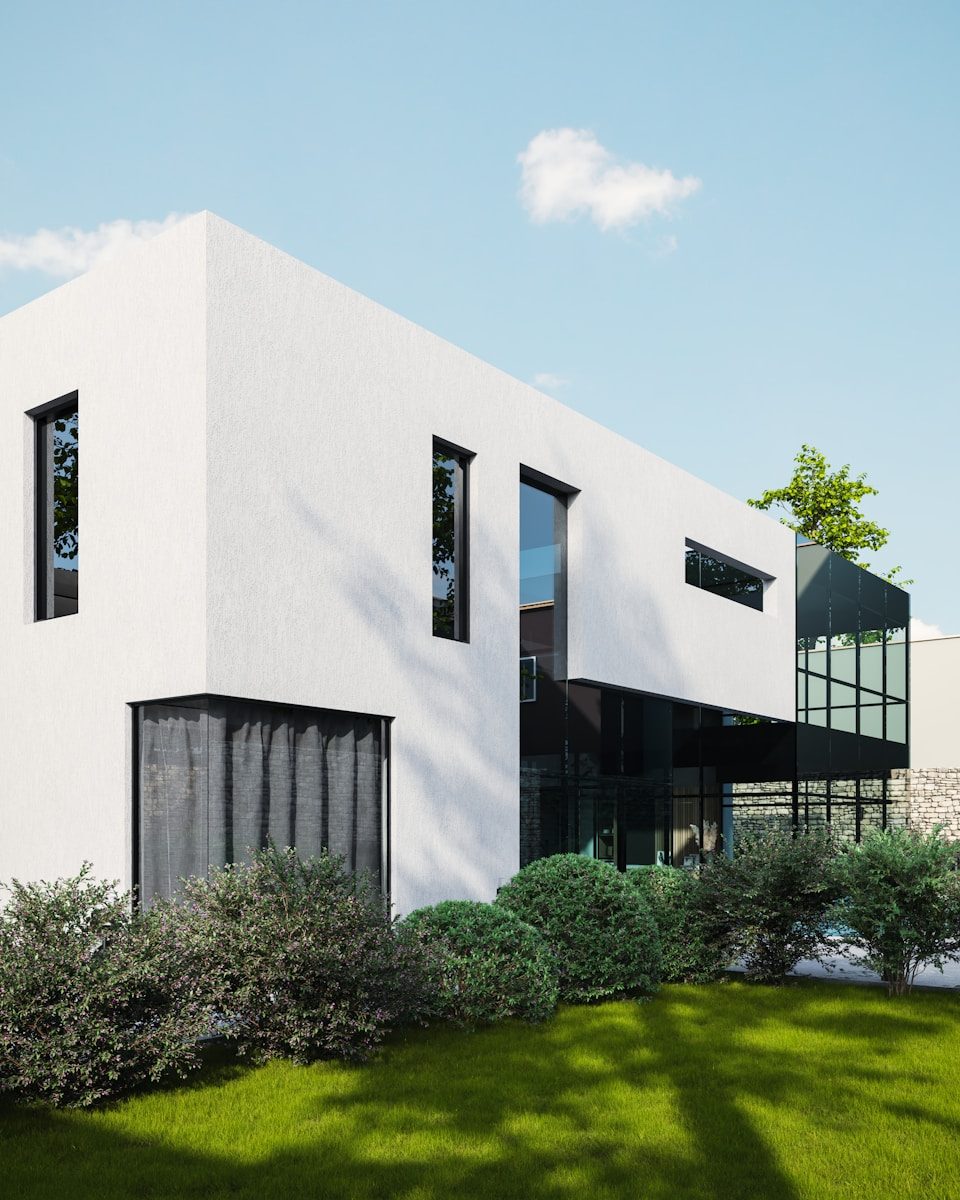
The way your house looks from the outside isn’t just about style – it’s your home’s main protection against wind, rain, sun, and the changes that come with each season. If you’re a do-it-yourself homeowner in Thun, picking the right exterior coating is both a matter of design and durability. The perfect paint not only brings out the best in your home’s appearance but also matches your local climate and the material of your walls. And to get that flawless result, the real secret often lies in how you get your surface ready before the first stroke of the brush.
Why Exterior Paints Are a Special Breed
There’s a big difference between regular indoor paint and those made for exteriors. Outdoor coatings need to stand up to sunlight, harsh weather, and constant temperature swings all year. Unlike interior paints – which focus on being easy to clean and stain-resistant – exterior products are made to handle UV rays, rain, and even snow without chipping, bubbling, or fading quickly. It’s easy to overlook these differences, but if you live in an area like Thun, your outdoor surfaces simply can’t use the same paint as your living room. Choose wisely, or you may end up repainting far sooner than you planned.
If you want professional advice or local help for applying Aussenanstrich und Holzschutz am Haus, you can find useful information at eposwissdesign.ch.
Look at the Walls–Not Just the Color
Many people get inspired by a color chart before they ever look at what they’re painting. But the type of surface matters most. Is it wood, concrete, metal, masonry, or previously painted? All need different products to ensure the coating properly sticks and protects. First, take the time to spot cracks, peeling paint, or damp stains. Is there mildew? Do you see rust or small cracks in the stone? Before you reach for a paint can, make sure everything is dry, clean, and solid. Prepping your surface means your nice new coating won’t start to peel off just a few months later. The work you put in before painting will always show in the finished result.
Climate Plays a Huge Role
In Thun, you can expect rain, cold winters, and plenty of sunshine throughout the year. That means your exterior paint needs to handle water and UV rays, often at the same time. Go for a paint that boasts high durability – one that’s made for extreme weather and has proven UV and moisture resistance. If you live somewhere damp or near water, your walls are at more risk of blistering, mildew, or paint bubbling up and peeling off. Always look for products designed for demanding weather conditions. And if you’re painting late or early in the year, remember: paint needs a certain temperature to cure. If it dries too slowly or doesn’t cure fully, the result can be disappointing.
Focus on the Qualities That Make a Difference
Not all coatings are created equal. Some are made to last much longer, look sharper, or keep their color in the sun. When you’re picking a product, think about these key qualities:
- Durability: Will it stand up to wind, rain, and years of sun without fading or chipping?
- Hiding Power: Does it cover up what’s underneath, or will you see old colors or marks through the new paint?
- Chalk Resistance: Will it stay smooth, or turn to powdery dust on the surface after a while?
- Blister Resistance: Is it likely to bubble if moisture gets trapped underneath?
- Dry/Cure Speed: Especially important if the weather is cool or damp, so the finish is strong.
Choosing a coating with these properties can save you both time and money by stretching the time between maintenance.
Picking the Right Finish for Each Area
The look and feel of your finished exterior aren’t just about color. The sheen or finish you choose matters as well. Most outdoor paints are available in options from matte to semi-gloss. Flat finishes help hide minor flaws in your walls, while satin or low sheen offer a balanced, modern look. Semi-gloss is popular for trim, shutters, and doors because it’s both easy to clean and brings out the shapes and edges of the architecture. For broad walls, lower-sheen paints are the most forgiving and look great in changing natural light.
Outdoor Color: More Complicated Than It Looks
Picking a color is more than flipping through a brochure. Once your paint dries outside, it will often look very different from what you expected. Sunlight makes colors appear bolder and lighter, and the surrounding environment also influences the way a shade looks. Test a small area or sample board first – then view it at different times of the day. Try to see how it looks next to your roof, driveway, window frames, and even your landscaping. A focused color scheme keeps your house looking thought-out and harmonious. Many designers recommend using a main color for the body, another for trim, and a third for highlights like accent doors or special features.
Think About the Bigger Picture
Your home doesn’t stand alone – it’s part of a neighborhood, a street, or a landscape. A classic building might call for softer, timeless colors, while a contemporary home can look stunning in sharp, modern shades. Consider what other homes nearby are doing. Do you want to stand out or fit in? Sometimes, subtlety works best; other times, a pop of color becomes the pride of the block. Matching your exterior paint to both the style of the house and its surroundings always looks best.
Never Skip Primer
Primer is often misunderstood but is crucial for a durable and even paint job. It helps paint stick, smoothes out inconsistencies, and even boosts the hiding power of the final coat. If you’re dealing with surfaces that are new, patched up, stained, or previously unpainted, primer is essential. It also helps ensure your color turns out as intended. And always let your primer dry completely before you continue – especially in humid weather – so your topcoat stays flawless.
Good Painting Is More than Just Good Paint
Even the most expensive paint can look bad if it’s not applied properly. Use thin, even coats to help the paint perform at its best. The best tool – whether it’s a brush, roller, or sprayer – depends on the job and the surface. Professionals often use brushes for fine detail and rollers or sprayers for large areas. For DIYers, working in small sections and following drying time instructions will ensure consistency. Never rush: hurrying the drying process or painting in poor conditions is one of the most common reasons for coating failure.
Simple Buying Checklist for Thun Homeowners
When it’s time to go shopping, here’s what to ask yourself:
- What type of surface will I be painting?
- How much sun, shade, rain, or snow does this area get?
- How well does the product resist moisture and sunlight?
- Will I need a primer before the topcoat?
- Which finish matches my house’s style?
- Have I tested the color outside?
- Is the product made for Thun’s climate?
Thinking through these questions can steer you away from the most common mistakes.
Beauty Meets Durability
In the end, your home’s exterior paint must look good and protect what’s underneath. As a DIY homeowner in Thun, your best bet is to choose a coating based first on its ability to withstand the weather, then focus on the color and finish for the look you love. Picking the right product pays off every time you walk up to your door, and extra effort on prep and technique can add years to your home’s fresh appearance – a balance of beauty and strength you’ll appreciate long after the last coat has dried.