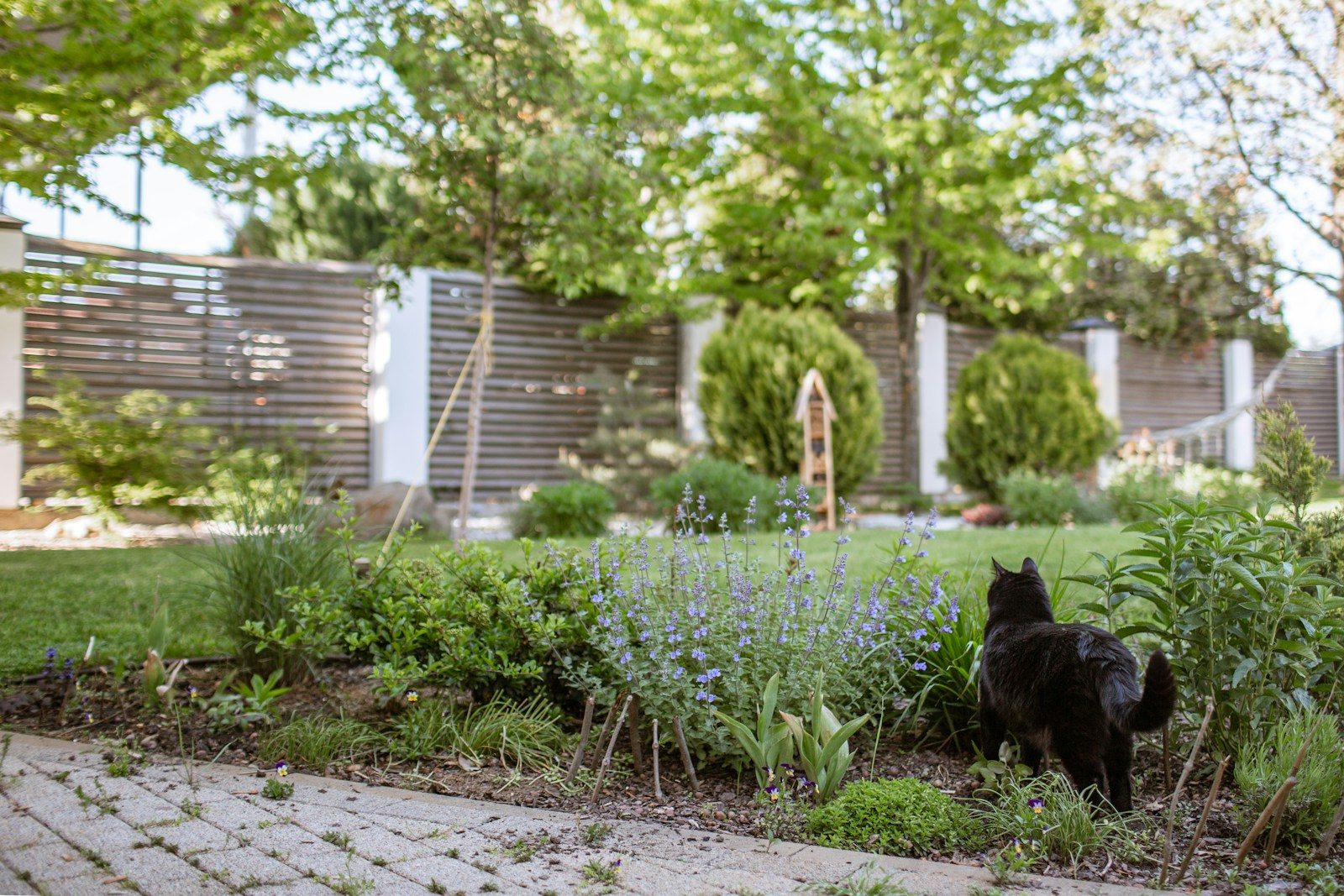
Ticino is famously known as a garden oasis in Switzerland. The warmer climate, long stretches of sunshine, and its unique Mediterranean touch make it a dream spot for plant lovers. However, newcomers quickly realize that gardening here isn’t always simple. Gardens on a hillside, shady courtyards in town, and lakeside balconies can act like different worlds, even if they’re only minutes apart.
Instead of rushing to the garden store, the smartest way to start is learning how your garden truly behaves. Focused observation of your own sunny corners, damp patches, and wind-prone areas will do more for your success than any single plant purchase. Looking beyond the label of “Ticino climate” and toward the patterns in your own patch sets a strong foundation for everything you want to grow.
Understanding Ticino’s Microclimates
What’s a microclimate? It’s a pocket of landscape with its own tiny weather system – maybe a sunny spot against a wall that stays warm well into autumn, or a chilly spot where frost clings the longest. In Ticino, microclimates can change dramatically from one part of town to another. Lake gardens are often more stable and mild, while exposed mountain edges get blasted by wind and sun, causing quick soil drying. Meanwhile, shaded corners can keep things cool but might narrow your plant options.
Smart gardeners in Ticino know they might get away with planting earlier than other places in Switzerland, but every garden needs its own plan. The only way to know what works is by paying close attention to your exact location instead of relying on general rules.
Watch and Learn: Observation is Step One
Before digging or planting, spend some time just looking around. What do you notice about your space at different parts of the day? Some helpful things to track:
- Where sunlight first shows and last disappears.
- Puddles that linger after rain – or spots that dry out immediately.
- Areas where frost won’t let go, long after the rest has thawed.
- Parts of your space sheltered from wind, or places where it whips through.
- Any walls, hedges, or fences that seem to trap warmth.
Take notes for a week or two. Watching how other gardens nearby respond to the seasons can teach you a lot too. This early effort helps you avoid the beginner mistake of treating every inch as if it behaves the same.
The Importance of Soil
In Ticino’s inviting climate, it’s easy to focus on beautiful plants and forget about what’s underfoot. But the real roots of a healthy garden are in its soil. Quality soil means less work and happier, thriving crops. Soil in Ticino can change a lot in just a short distance, especially on slopes or older garden plots.
Try this: dig a small hole, add water, and watch. Does the water disappear fast? Add more compost or organic matter. Linger in a puddle? The soil may be too heavy – consider mixing in plenty of compost and mulching. Mulch is especially useful, keeping the soil moist and cool in the summer and stopping weed growth.
You don’t need perfect soil from the start – just aim for soil that is “good enough” to get growing.
Choose Plants That Fit the Place
Ticino’s mild winters and sunny days tempt gardeners to try almost anything. But ultimate success often lies in picking plants that match your microclimate, not just the region.
For sunny, sheltered, or lakeside gardens, try:
- Mediterranean herbs such as rosemary, thyme, and sage
- Lavender and similar drought-resistant perennials
- Geraniums for colorful containers or borders
- Citrus in pots, but get them indoors or under cover if a freeze is forecast
In chillier, windier, or shady spots, select:
- Hardy perennials that shrug off winter lows
- Leafy greens like lettuce or chard that enjoy some shade
- Shrubs and herbs that don’t mind occasional wet feet
If you’re new to all of this, keep things simple. Starting with a handful of reliable plants grown from seedlings rather than seeds can help you handle the quirks of your first season.
Master the Art of Watering
Ticino’s sunshine and heat can quickly dry out beds, pots, and especially raised planting areas. That makes smart watering one of the most important skills you can learn. For healthy, deep-rooted plants, water less often but more thoroughly – this encourages roots to grow deeper, toughening them against dry spells. Containers will need more attention in summer, but mulching can really help keep moisture around and protect delicate new roots from hot days.
In smaller gardens, mulching is almost always worth the effort, and a regular watering schedule will mean fewer sad, wilted plants.
Design with Zones for Less Work
A Ticino garden doesn’t have to be big or complicated. Many of the best gardens are laid out with practicality in mind – plants with similar needs are grouped together, taller varieties placed to avoid shading out others, and each zone is chosen for its strongest point.
Break your garden into zones like:
- Sunniest areas: ideal for tomatoes, peppers, basil
- Partial-shade spots: great for greens and mild herbs
- Sheltered nooks: perfect for tender or potted plants
- Dry edges: plant Mediterranean herbs and drought-tolerant flowers
- Damp corners: use moisture-loving plants or leafy greens
This way, garden maintenance becomes easier. You’ll actually enjoy your space more and see what works best as the seasons change.
Raised Beds and Containers for Easy Wins
Dealing with tricky soil or slopes? Raised beds can give you an edge, making the most out of every square meter. You control the soil, improve drainage, and make gardening more comfortable. Containers can be just as useful – great for balconies, patios, or moving sensitive plants like citrus out of harm’s way when winter cold threatens. With containers, beginners can experiment safely without risking the whole garden, and it’s easier to test what works in your very own microclimate.
Adapt Your Timing to the Ticino Rhythm
Even with milder weather, gardening here is all about timing. Local tradition suggests planting can start earlier than in the rest of Switzerland, but always watch for frosts or weather surprises – especially at higher altitudes or in shady valleys.
Some good habits:
- Use seedlings over direct seeding for a helpful head start
- Spread your planting out rather than finishing in one day
- Jot down what survives and what struggles, each season
- Repeat what succeeds and adjust as you learn
This learning process builds a real relationship with your unique patch of land, beyond what any calendar recommends.
Lean on Local Knowledge
While books and guides help, nothing beats asking neighbors or observing what thrives nearby. Every garden in Ticino can behave a little differently – sometimes even next door can have a totally different vibe thanks to shade, elevation, or the wind. For truly tailored insights, consulting with a knowledgeable Gärtner gives you practical advice that works in your context, not just general tips.
Resilience is the Key
The foundation of Ticino gardening is resilience: using robust plants that fit your conditions, tending the soil with compost and mulch, watering smartly, and always noticing your garden’s small climate quirks. By matching the right plant to the right space – and being open to learning – you can create a garden that flourishes with minimal stress. Ticino extends a warm welcome to anyone starting out in the garden, as long as you pay attention to its diverse, ever-changing microclimates. Once you tune in, gardening here isn’t a guessing game – it’s a journey into the character of the land itself.