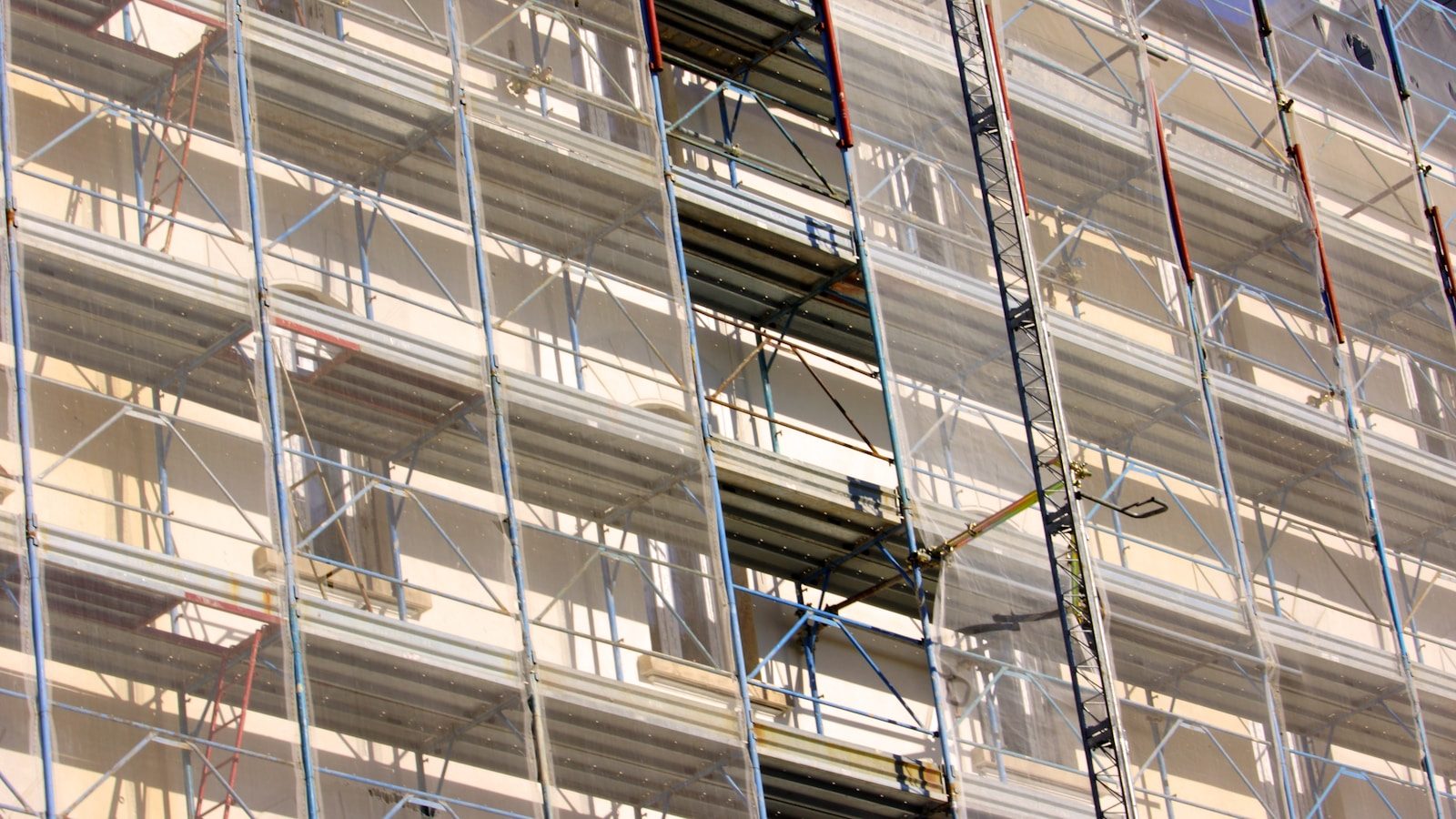
Choosing the ideal scaffolding system for your project in Switzerland is more than just picking the first set of equipment you find. It’s essential for ensuring the safety of workers, meeting all local regulations, and completing your build efficiently – whether you’re working high above a Swiss city street or on uneven ground in the Alps. With strict construction guidelines and a special focus on sustainability, making the wrong choice could mean delays, potential accidents, or even unexpected fines. Understanding what’s required is the first step, and many companies, such as those offering Gerüstbau Schweiz Serviceleistungen, can provide expert guidance to help you navigate the options and select the perfect fit for your needs.
Are you planning to repair a centuries-old chalet in the mountains, build a high-rise in Zurich, or maintain an industrial plant in Basel? No matter the project, following a straightforward process can make all the difference. Here’s a clear, step-by-step guide to help you compare scaffolding options, consider all required safety rules, and control your costs.
Step 1: Take a Close Look at Your Project Requirements
The very first thing to do is carefully assess your specific project needs. Since Switzerland is known for its steep slopes, historic buildings, and crowded urban centers, missing this step might lead to troubles down the road.
Think about the following:
- Height and Reach: How tall does the scaffolding need to be? For jobs no higher than six meters, like working on a small home, a mobile tower may be enough. Projects that need to reach 6–15 meters could require sturdy frame scaffolding, while anything taller might demand modular or ringlock systems. Keep in mind, Swiss safety rules say that free-standing scaffolding can only rise to four times the width of its base unless you add extra reinforcements.
- Terrain and Ground Conditions: The ground in Switzerland isn’t always flat – so knowing whether you’re working on soft earth in the country or firm concrete in the city is vital. Frame scaffolding is best for flat spaces, while ringlock or shoring systems are better for uneven or sloped ground.
- Load Needs: Calculate the maximum weight your scaffolding will need to support, including workers, tools, and materials. There are three typical categories: light (up to 225 kg/m²), medium (up to 450 kg/m²), and heavy (675+ kg/m²). Always leave a safety margin.
- How Often and How Long Will It Be Used? For quick or occasional jobs, renting may be easier. If the build will take months and through all seasons, investing in strong, weatherproof scaffolding (such as galvanized steel) is ideal.
- Access and Room to Move: Will workers need lots of space, platforms with stairs, or a materials hoist? Swiss standards require platforms at least 45cm wide with safe walkways of 90cm.
A professional site review early on can make this process much easier and help avoid unexpected costs or compliance issues.
Step 2: Know the Swiss Safety Rules and Regulations
Staying safe and legal on Swiss building sites is fundamental. Swiss authorities, through SUVA and other local institutions, set high standards for scaffolding safety, which are similar to the strict rules across Europe. Not following these standards could lead to major work interruptions or steep fines.
Top safety features to check:
- Edge Protection: Guardrails need to be in place at every meter of height, and toe boards should be used to prevent dropped items from hitting people on the ground below. This is especially important in busy areas or next to public walkways.
- Non-Slip Platforms and Secure Bracing: To keep workers safe, look for platforms with textured surfaces, and make sure there is diagonal bracing for extra stability – especially in windy or exposed areas.
- Load Labels and Regular Checks: Only use scaffolding with clear labels showing maximum weight limits. Swiss law requires weekly inspections by trained, certified personnel.
Modern systems, especially modular ones, often include built-in features to make them easier to set up securely, reducing human error and boosting safety.
Step 3: Discover Which Scaffolding Systems Work Best in Switzerland
Not every scaffolding type fits every job, especially when you’re building in such a unique country. The main options include:
- Frame Scaffolding: Great for mid-level work (up to about 15 meters) and projects on level ground. It’s simple and affordable, but isn’t flexible for curves or uneven landscapes.
- Ringlock (Modular): Excellent for high-rise or complex buildings that need lots of strength. It can handle heavy loads and is highly adjustable – perfect for tricky terrain or historic buildings that aren’t straight.
- Tower or Mobile Scaffolding: Ideal for maintenance, interior work, or project sites that require moving the structure often. Height is naturally limited with this option.
- Suspended Scaffolding: Useful on tall buildings or areas where floor space is limited. It hangs from the roof, so it’s important to ensure safe, secure anchor points and extra engineering checks.
- Steel Shoring: This is used to support heavy loads temporarily, especially in areas with weak or shifting soil.
Ringlock systems are a favorite for Swiss projects because they make assembly up to 30% quicker and are easy to adapt to historic buildings or sites with difficult layouts.
Step 4: Consider Setup, Maintenance, and Costs
Labor and materials are not cheap in Switzerland, so saving time and effort matters. Here’s what you should keep in mind:
- Ease of Assembly: Modular systems like ringlock go up much faster than older designs. Investing in training workers, or hiring specialists, can reduce accidents and mistakes.
- Long-Term Durability: Galvanized or treated steel scaffolding stands up to the Swiss climate year-round. For really tough jobs, avoid lighter metals like aluminum if you need heavy weight support.
- Costs – Buy or Rent? For bigger or longer jobs, buying scaffolding can cost CHF 100–200 per square meter. Renting suits shorter tasks and usually runs CHF 20–50 per square meter per week. Always budget for extras like transport, accessories, and storage space.
Plan for the long term. Good-quality scaffolding lasts years, and reusing equipment cuts down waste and future charges.
Step 5: Work with Local Swiss Experts and Focus on Eco-Friendly Choices
Building projects are smoother when you work with local, knowledgeable partners. Experienced Swiss companies can help you understand every regulation, handle permits, and even suggest energy-saving or recyclable systems. This approach fits with Switzerland’s national push toward sustainability and environmental protection.
Many firms also use modern planning software to help manage their materials and reduce waste, making processes cleaner and more efficient from start to finish.
Avoid These Common Scaffolding Mistakes
- Forgetting to account for the real weight loads.
- Using the wrong type of scaffolding for sloped or unstable ground.
- Skipping proper worker training and regular safety checks.
- Not preparing for Switzerland’s tough winter weather.
Your Scaffolding Checklist for Swiss Projects
- Have you done a visit to check the site and ground conditions?
- Do you fully understand Swiss laws and safety requirements?
- Did you calculate height and weight needs with a safety cushion?
- Have you received a clear quote for the best-fit system?
- Have you reached out to experienced local partners?
Following this straightforward process will help you find a scaffolding system that’s safe, cost-effective, and perfectly suited for your Swiss construction site. If you need more tailored advice, expert teams specializing in Gerüstbau Schweiz Serviceleistungen can ensure your project starts off right and finishes successfully.